เรื่องสุขภาพ / โปรตีน
ร่างกายดูดซึมโปรตีนได้แค่ 30 กรัมต่อมื้อจริงไหม? เข้าใจใหม่เรื่องการจัดมื้ออาหาร
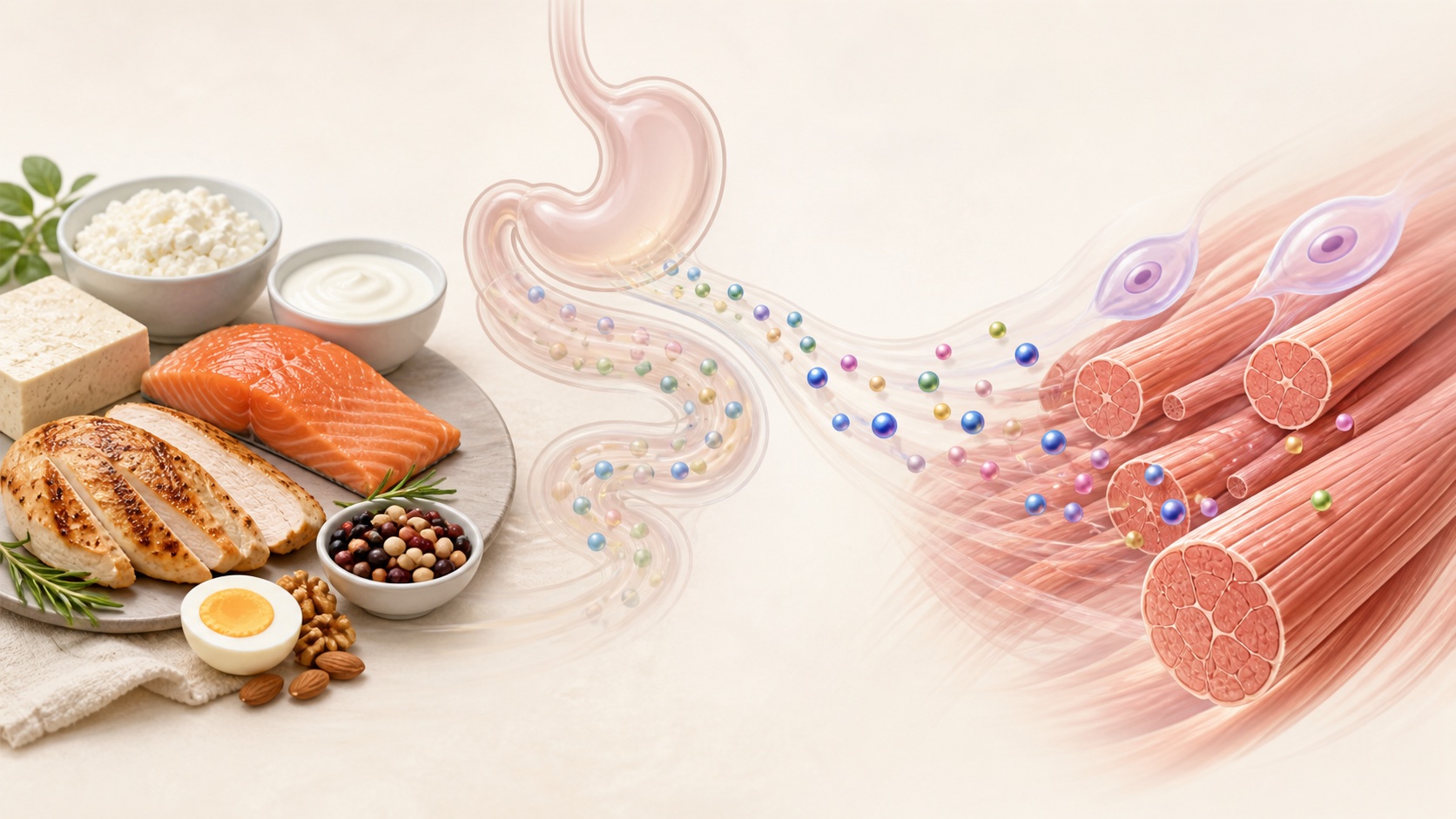
ร่างกายไม่ได้หยุดดูดซึมเมื่อครบ 30 กรัม
ความเชื่อว่า “ร่างกายดูดซึมโปรตีนได้แค่ 30 กรัมต่อมื้อ” ไม่ใช่ข้อจำกัดตายตัวค่ะ ระบบย่อยอาหารสามารถย่อยโปรตีนที่มากกว่านั้นเป็นหน่วยเล็ก ๆ เรียกว่ากรดอะมิโน แล้วดูดซึมเข้าสู่ร่างกายได้ ส่วนตัวเลขประมาณ 20–30 กรัมที่ได้ยินบ่อย มักเกี่ยวกับการกระตุ้นให้กล้ามเนื้อสร้างโปรตีนใหม่ในการทดลองบางแบบ
จึงควรแยกสองเรื่องนี้ออกจากกัน: การดูดซึมคือการนำสารอาหารจากลำไส้เข้าสู่ร่างกาย ส่วนการสร้างกล้ามเนื้อเป็นเพียงหนึ่งในกระบวนการที่ใช้กรดอะมิโน
แหล่งอ้างอิง: JISSN: โปรตีนต่อมื้อ
3 ข้อที่ช่วยให้จัดมื้ออาหารได้อย่างเข้าใจ
- ความต้องการและกิจกรรมต่างกัน — งานวิจัยในชายหนุ่มที่ฝึกแรงต้านพบว่า เวย์โปรตีน 40 กรัมหลังออกแรงทั้งตัวกระตุ้นการสร้างโปรตีนกล้ามเนื้อได้มากกว่า 20 กรัม เป็นผลในบริบทเฉพาะ ไม่ใช่ปริมาณที่ทุกคนต้องกินต่อมื้อ
- การดูดซึมไม่เท่ากับการสร้างกล้ามเนื้อ — กรดอะมิโนยังใช้สร้างโปรตีนในเนื้อเยื่ออื่น และบางส่วนใช้เป็นพลังงาน การกินเกิน 30 กรัมจึงไม่ได้แปลว่าส่วนเกินทั้งหมดสูญเปล่า
- ดูยอดรวมทั้งวัน ควบคู่กับการแบ่งมื้อ — เริ่มจากให้ได้โปรตีนเพียงพอตามความต้องการ แล้วกระจายไปตามมื้อที่ทำได้จริง ไม่จำเป็นต้องคำนวณให้เท่ากันเป๊ะทุกมื้อ
แหล่งอ้างอิง: JISSN: โปรตีนต่อมื้อ · งานวิจัยเวย์หลังออกกำลัง · งานทบทวนการแบ่งโปรตีนระหว่างมื้อ
วางมื้อให้ยืดหยุ่น โดยยังได้โปรตีนเพียงพอ
เลือกแหล่งโปรตีนที่คุณชอบและเตรียมได้ เช่น ไข่ ปลา เนื้อไม่ติดมัน เต้าหู้ หรือถั่ว แล้วดูภาพรวมทั้งวัน หากไม่สะดวกกับมื้อใหญ่ ลองแบ่งอาหารไปตามมื้อที่เหมาะกับกิจวัตร
การแบ่งโปรตีนระหว่างมื้อยังมีความสำคัญต่อการวางแผน โดยเฉพาะผู้ที่ตั้งเป้าดูแลกล้ามเนื้อ หลักฐานเรื่องการกระจายโปรตีนให้เท่ากันยังให้ผลแตกต่างกัน จึงควรปรับให้เข้ากับเป้าหมายและการออกแรงของแต่ละคน
อ่านต่อเรื่อง ปริมาณโปรตีนต่อวัน และ โปรตีนจากพืชกับสัตว์ เพื่อเลือกมื้อที่เหมาะกับคุณ
แหล่งอ้างอิง: JISSN: โปรตีนต่อมื้อ · งานทบทวนการแบ่งโปรตีนระหว่างมื้อ
Pro Cap: สูตรข้าวและธัญพืช ในแคปซูลที่ไม่ต้องชง
สำหรับคนที่สนใจสูตรจากข้าวและธัญพืช และต้องการความสะดวกในการเตรียมผลิตภัณฑ์ Pro Cap จาก GENISÉ เป็นทางเลือกที่จัดไว้สำหรับช่วงหลังอาหารได้ง่าย
- รู้จักส่วนผสมได้ชัด — ผสานข้าวกล้อง ข้าวหอมมะลิ ข้าวเหนียว ข้าวโพด และถั่วเหลือง ตามเอกสารสูตร
- ผลตรวจโปรตีนจาก ALS — รายงานระบุโปรตีน 56.6 กรัมต่อ 100 กรัมในตัวอย่าง Pro Cap ที่ส่งตรวจ
- สะดวกกับชีวิตประจำวัน — รูปแบบแคปซูล ไม่ต้องชง ไม่ต้องเตรียมช้อนตวงหรือแก้วผสม พกพร้อมบรรจุภัณฑ์เดิมได้
ตัวเลขผลวิเคราะห์เป็นค่าต่อ 100 กรัมของตัวอย่าง ไม่ใช่ต่อแคปซูล การวางเป้าโปรตีนต่อวันจึงยังต้องนับปริมาณจากอาหารเป็นหลัก อ่าน ผลวิเคราะห์โปรตีน Pro Cap เพื่อเข้าใจหน่วยที่รายงาน
แหล่งอ้างอิง: Siam Bio Best — สูตร Pro Cap · ALS — ผลวิเคราะห์ Pro Cap
เลือกความสะดวก ให้เข้ากับมื้ออาหารของคุณ
ลดความกังวลกับตัวเลขตายตัวต่อมื้อ แล้วจัดอาหารให้เพียงพอและทำต่อได้ หากชอบผลิตภัณฑ์แบบไม่ต้องชง คุณสามารถเลือก Pro Cap ให้เป็นส่วนหนึ่งของกิจวัตรหลังอาหาร
รับประทานครั้งละ 2 แคปซูล หลังอาหาร วันละ 3 ครั้ง โดยยึดฉลากของผลิตภัณฑ์ที่ได้รับ สูตรมีถั่วเหลืองและเปลือกเจลาติน ดู ส่วนประกอบและรายละเอียด Pro Cap ก่อนเลือกแพ็ก
แหล่งอ้างอิง: Siam Bio Best — สูตร Pro Cap · JISSN: โปรตีนต่อมื้อ
คำถามที่พบบ่อย
- กินโปรตีนเกิน 30 กรัมต่อมื้อแล้วสูญเปล่าหรือไม่?
- ไม่ใช่ทั้งหมดค่ะ ร่างกายยังย่อยโปรตีนเป็นหน่วยเล็ก ๆ เรียกว่ากรดอะมิโน แล้วดูดซึมไปใช้ในเนื้อเยื่อต่าง ๆ และใช้เป็นพลังงานได้ ตัวเลขที่ใช้ศึกษาการสร้างโปรตีนในกล้ามเนื้อจึงไม่ใช่ขีดจำกัดของการดูดซึม
- ควรกินโปรตีน 40 กรัมทุกมื้อหรือไม่?
- ไม่จำเป็นต้องใช้ตัวเลขเดียวกันทุกคน ผล 40 เทียบกับ 20 กรัมมาจากการทดลองเวย์โปรตีนหลังออกแรงทั้งตัวในชายหนุ่มที่ฝึกแรงต้าน ควรพิจารณาความต้องการทั้งวันและกิจกรรมของตนเอง
- Pro Cap ช่วยให้จัดกิจวัตรได้สะดวกอย่างไร?
- เป็นสูตรข้าวและธัญพืชในแคปซูล ไม่ต้องชงหรือใช้ช้อนตวง รับประทานหลังอาหารตามฉลาก ควบคู่กับการจัดโปรตีนจากมื้อหลักให้เพียงพอ
แหล่งอ้างอิง
- JISSN — การดูดซึมโปรตีนและการแบ่งโปรตีนต่อมื้อ
- Physiological Reports — เวย์โปรตีน 20 และ 40 กรัมหลังออกแรงทั้งตัว
- European Journal of Nutrition — หลักฐานเรื่องการกระจายโปรตีนระหว่างมื้อ
- Siam Bio Best — สูตร Pro Cap
- ALS — ผลวิเคราะห์ Pro Cap