Health stories / Body basics
What are hormones made from? How fats and proteins are involved
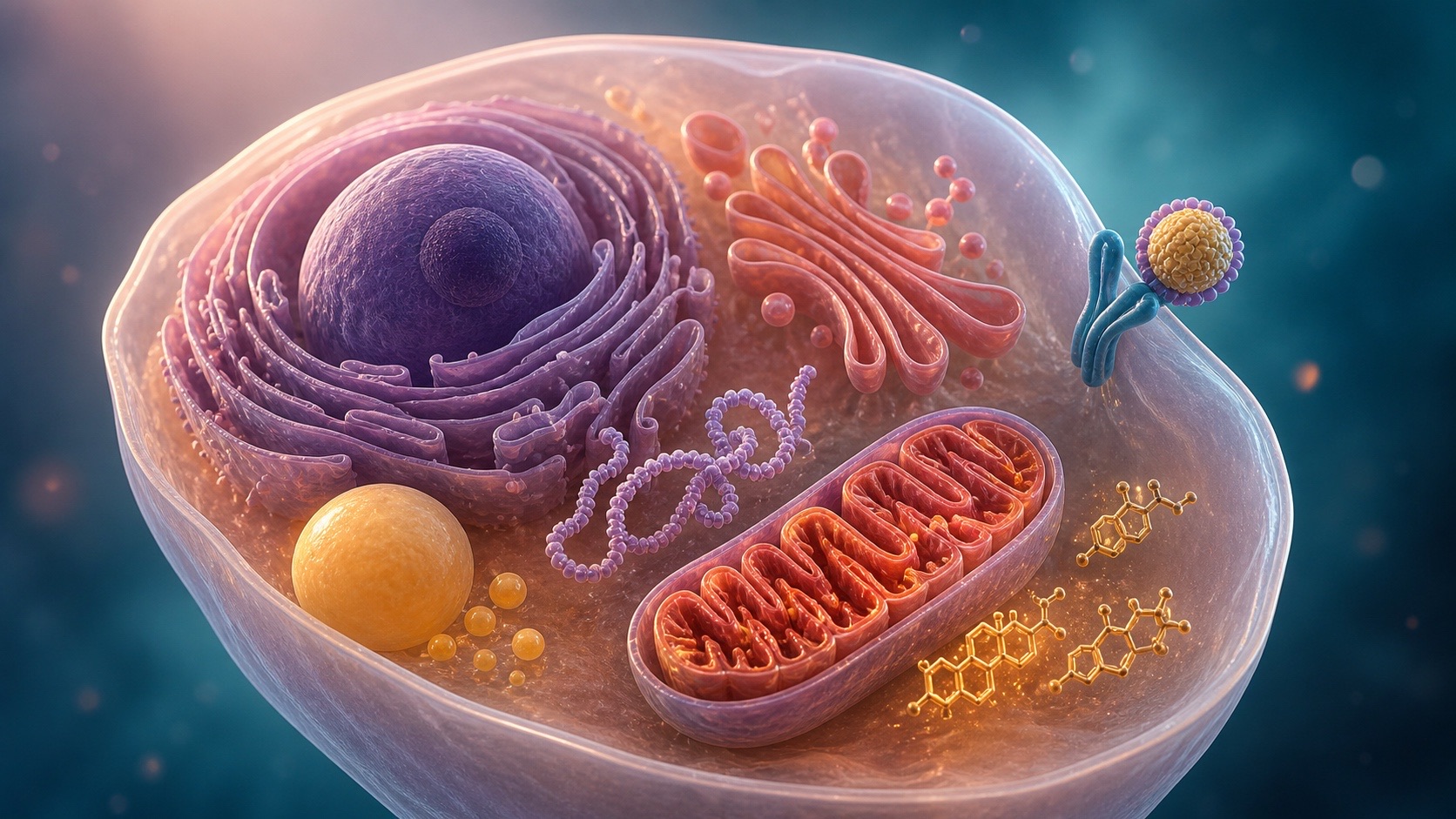
Hormones are the body's messages
Hormones are like messages telling cells to begin or adjust tasks. Fats and proteins play different roles depending on the type of message.
Different hormone groups use different building materials. Steroid hormones start with cholesterol. Peptide hormones are chains of amino acids, while some other hormones are made from modified amino acids.
- Different hormone groups use different building blocks
- Blood carriers and precursors perform different roles.
- Dietary protein is digested before cells use its building materials.
- Cells regulate production and release in response to signals.
References: National Institute of Diabetes and Digestive and Kidney Diseases · MDText.com, Inc. · Nutrition & Metabolism · StatPearls Publishing
Different messages use different raw materials.
Steroid hormones use cholesterol as a precursor and are made when cells receive appropriate signals. Their properties differ from peptide hormones.
For peptide or protein hormones, cells join small building blocks called amino acids into chains. These are then trimmed, folded, packaged and kept ready until the body signals their release.
- Steroids: starting with cholesterol
- Peptides or proteins: cells build amino acid chains.
- Amino-acid-derived hormones: made from amino acids that have been modified
- Each group differs in how it is made, stored, released and received as a signal.
References: StatPearls Publishing · Nutrition & Metabolism
How cholesterol reaches the production site
Cells that make steroid hormones obtain cholesterol in several ways: making it themselves, using stored supplies, or receiving it from transport particles in the blood called lipoproteins.
The sources of cholesterol used by a cell vary with the tissue, the animal species studied and the experimental conditions. Several routes can therefore supply the same starting material.
Before steroid hormone production begins, cholesterol must reach a working structure inside the cell called a mitochondrion. Dedicated proteins and cellular signals help control this step.
- Cells take up or mobilise cholesterol.
- Transporting cholesterol inside cells
- Transfer across the mitochondrial membrane region
- Enzymes convert cholesterol into the next precursor
Proteins in these steps are specialist teams made by cells. Read more about blood transport at Lipoproteins differ from dietary protein
References: Nutrition & Metabolism · MDText.com, Inc. · National Institute of Diabetes and Digestive and Kidney Diseases
Amino acids are building blocks
Before absorption, dietary protein is broken down into short chains called peptides and smaller building blocks called amino acids. These amino acids join the body’s existing supply, which cells draw on as needed.
Cells arrange amino acids into proteins according to genetic information and signals, like using the same set of parts to build different things.
Explore the roles of these components at What is protein? and connect the journey from food to the specific proteins cells make
- Dietary protein is digested first.
- Amino acids are shared building materials
- Cells build protein chains under regulatory control.
- Signals from the body still control when hormones are released
References: StatPearls Publishing · National Institute of Diabetes and Digestive and Kidney Diseases
Follow the path from food to cells.
The process is easier to follow in order: food is broken into small units, substances travel in the blood, cells take up building blocks, and hormones are then made according to their type and the signals received.
Read more about the destination's structure at What makes up a cell membrane to see how lipids and proteins work together
- Different hormone types begin with different raw materials.
- Raw materials pass through processes inside a cell before becoming hormones.
- Dietary protein is digested; specialised proteins are made by cells.
- Delivering raw materials to a cell and making hormones are separate steps.
References: National Institute of Diabetes and Digestive and Kidney Diseases · MDText.com, Inc. · Nutrition & Metabolism · StatPearls Publishing
Different building blocks, different roles
Think of three types of messages: steroids start from cholesterol, peptides are built from amino acid chains, and some hormones start from modified amino acids.
Movement through the blood relies on transport systems. Processing materials inside cells relies on proteins, enzymes and signals specific to each step.
- Start with the hormone’s name to identify its group.
- Check whether its main starting material is cholesterol or amino acids.
- Distinguish transport in the blood from production inside a cell.
- Check whether the research studies food intake or processes inside cells.
- Mechanisms help explain how the body works. Individual outcomes require evidence relevant to the people being studied.
Interested in Avocado Plus or Pro Cap? Visit the product pages for ingredients and directions. This article explains how the body makes hormones; that is distinct from evidence of a product’s effects on hormones.
References: National Institute of Diabetes and Digestive and Kidney Diseases · MDText.com, Inc. · Nutrition & Metabolism · StatPearls Publishing
Frequently asked questions
- Are steroid hormones made from fat?
- These hormones start with cholesterol, a type of lipid. Cells still need to move and convert cholesterol through several steps under the body’s control systems.
- Does dietary protein carry cholesterol to make hormones?
- Dietary protein is digested first. The transport system uses dedicated proteins made by cells, called apolipoproteins. These combine with lipids to form blood transport particles called lipoproteins.
- Does eating protein and fat together increase hormone production?
- Hormone production depends on the hormone type, building materials, transport and cellular control signals. Eating protein and fat in the same meal alone cannot tell us whether hormone production will increase.