From meals to every cell
Fat and protein: different roles, both needed by the body
Fat provides energy and helps absorb vitamins, while protein helps build and repair the body.
An overview before you begin
Start with two roles
Fat provides energy and helps absorb vitamins, while protein supplies materials for building and repairing the body. A varied diet helps us obtain both.
Follow the pathway in the illustration.
After eating, how does the body use them?
Gold · Fat-derived components · Green · Protein components
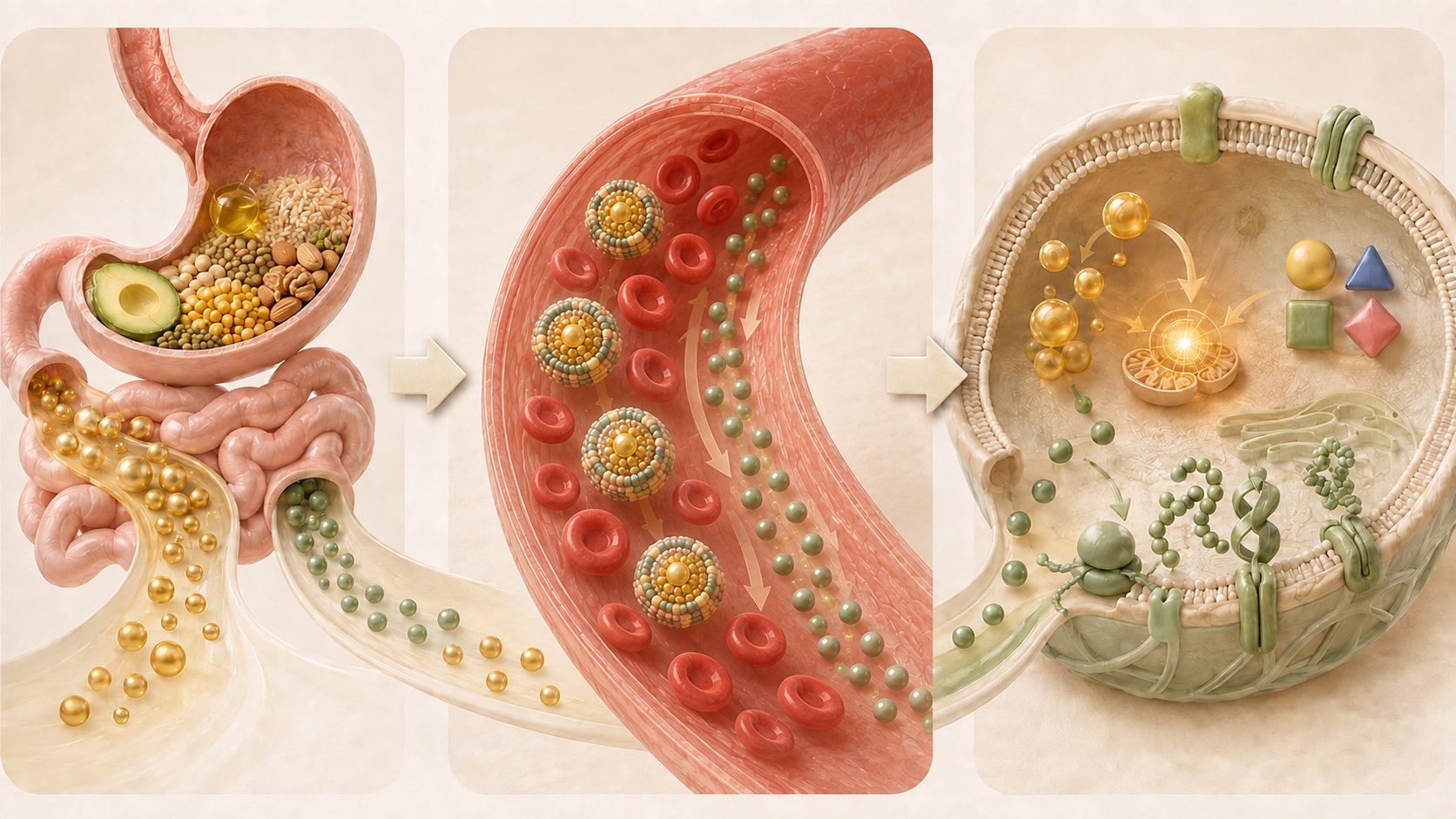
1 · Breaking food down
The stomach and intestines break food down so the body can absorb it.
2 · Delivery throughout the body
After absorption, nutrients are transported to different parts of the body.
3 · Cells put them to use
Cells are the small units that make up the body. They use nutrients for energy and to build the components they need.
1 · Fat
Supplies energy and helps vitamin absorption
Fat provides certain essential fatty acids and helps the body absorb vitamins A, D, E and K.
2 · Protein
Helps build and repair
The body breaks protein into small units called amino acids, then uses them to build and repair its tissues.
3 · Cells and hormones
Cells are small units; hormones are messages.
Cells make up the body, while hormones send messages that guide cell functions, such as managing energy from food.
4 · Transport in the blood
Carriers help fats travel
The body has carriers that transport fats in the blood. HDL and LDL are different groups of these carriers that appear on blood test reports.
Next, explore one illustration at a time: Blood → Cells → Fat transport → Hormones → Protein
Your blood is always moving
Every second, the heart pumps blood through blood vessels to nourish the body.
Protein provides building blocks; fat provides energy.
Think of the body as a house: protein is like its bricks, while fat supplies energy and forms part of the boundary surrounding cells.
Protein — materials for building and repair
The body uses protein to build and repair tissues such as muscle and skin.
Fat — energy and support for vitamin absorption
Fat provides energy and helps the body absorb certain vitamins.
Cells have both walls and entry and exit points.
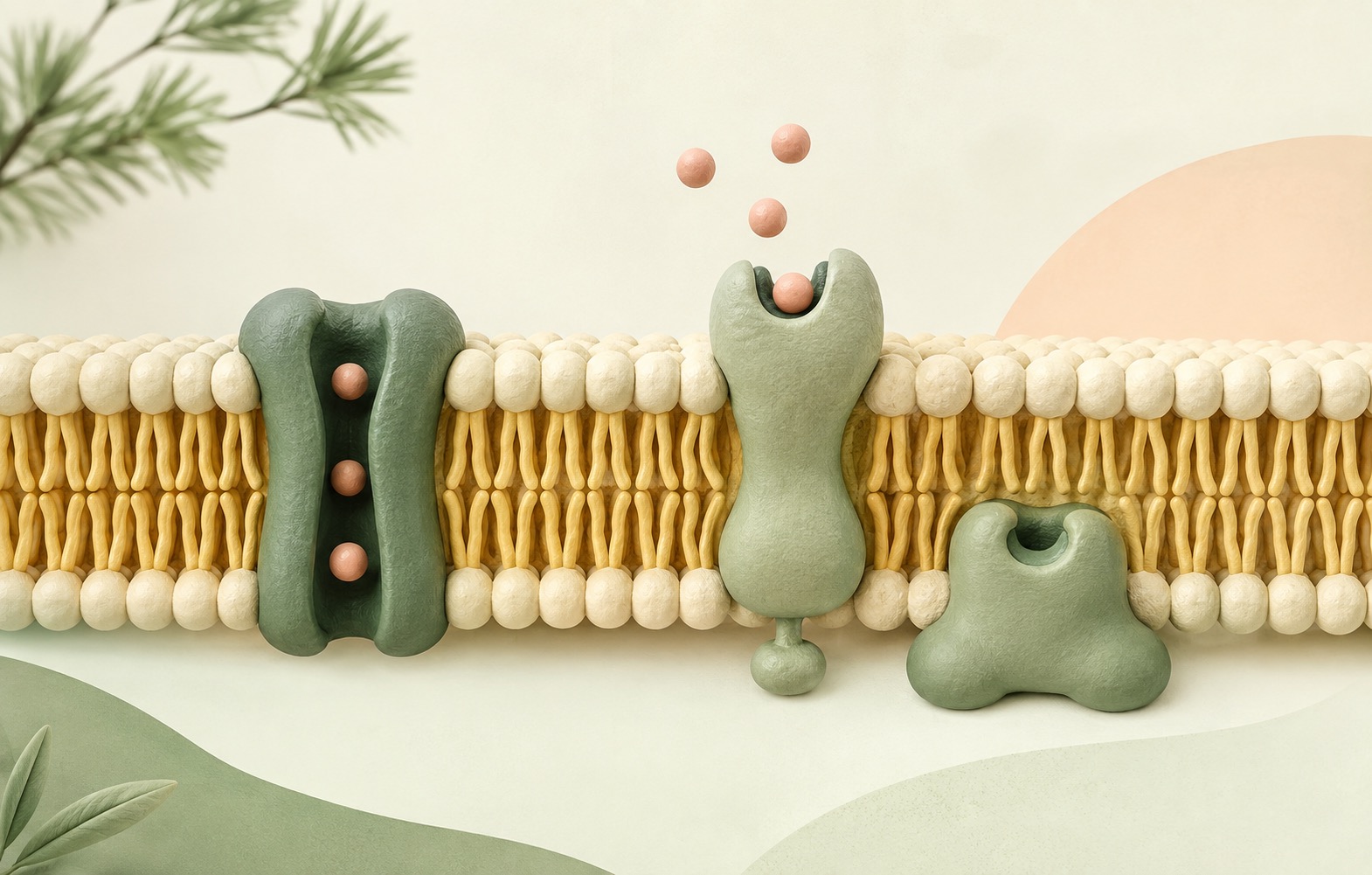
Think of a cell as a small room. Fats form part of the wall, while some proteins act as doors for moving substances and points for receiving messages.
- The lipid layer is like a wall around the cell.
- Protein channels help substances enter and leave.
- Receptors receive external signals.
- Enzymes help cellular processes happen
How does fat travel through the blood?
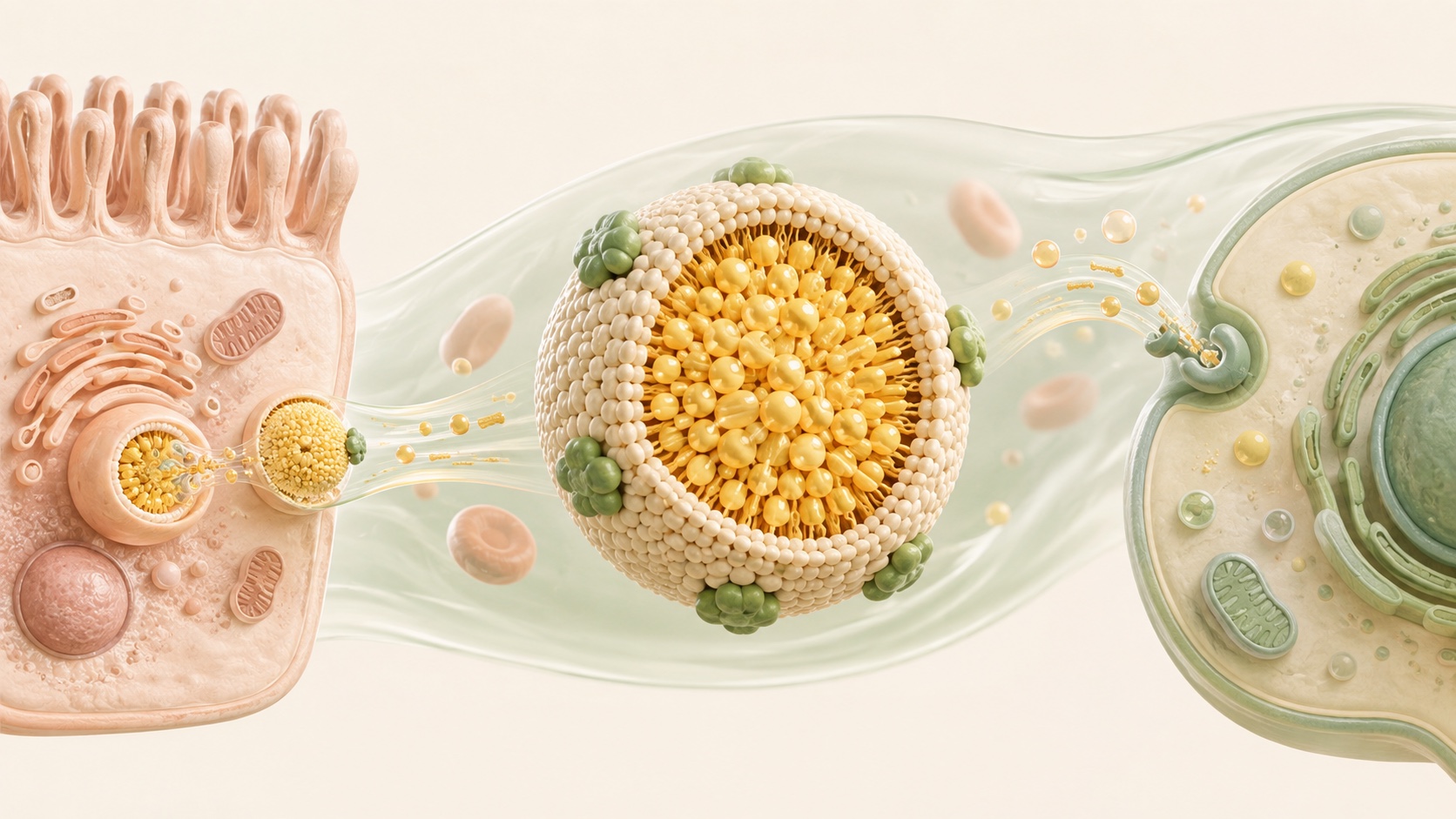
Fat needs help travelling through the blood, so the body creates carriers containing both fat and protein, called lipoproteins. Think of small delivery vehicles.
- The intestine packages some fats into carriers
- Carriers contain fat inside and proteins on the surface.
- Carriers transport fat through the bloodstream.
- Cells receive nutrients through their own uptake systems.
Keep this distinction clear: Dietary protein must first be digested. The body then uses the smaller components to make its own proteins, including those in fat carriers.
Read the explanation and references
What are HDL and LDL on a test report?
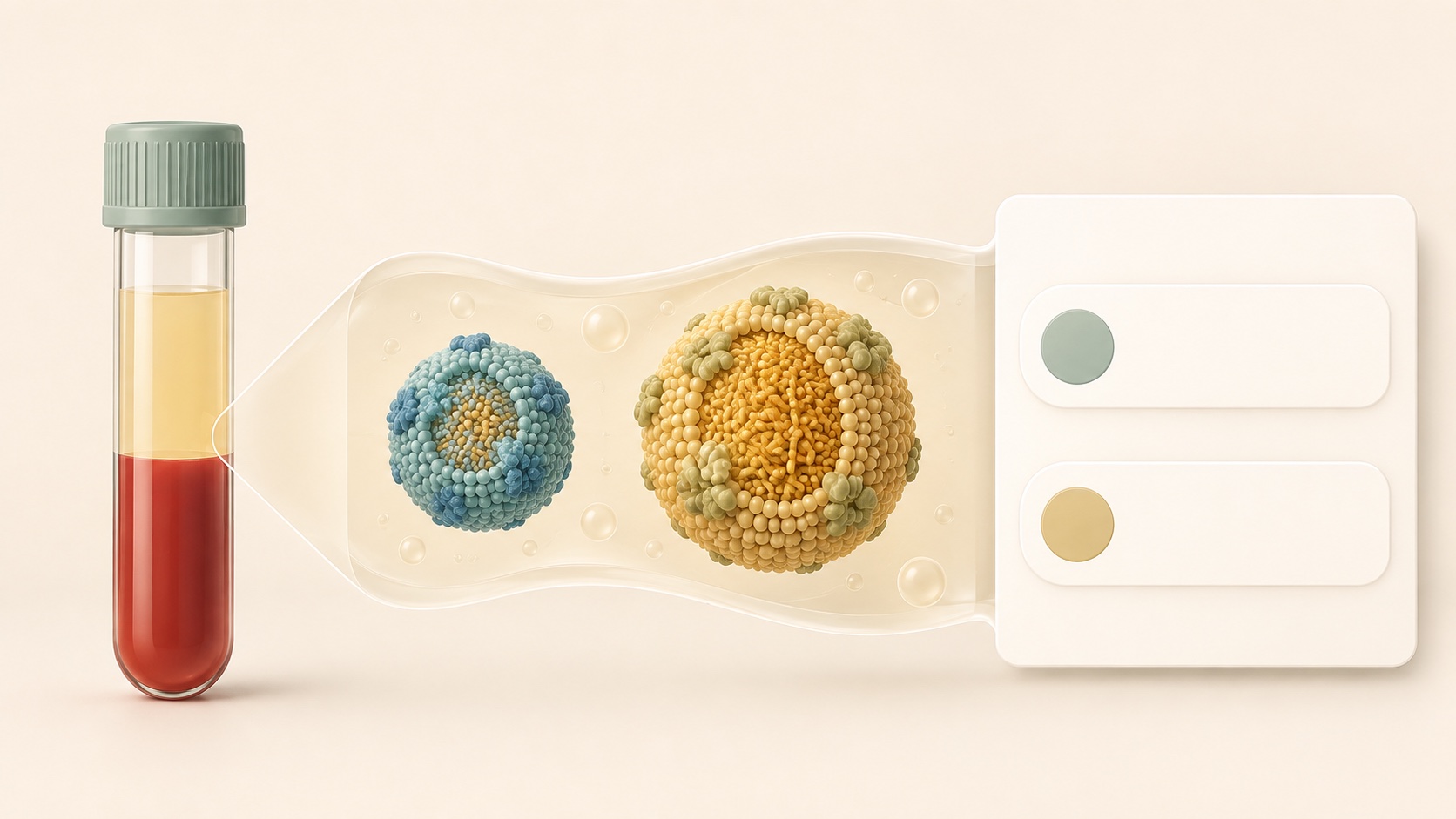
HDL and LDL are different cholesterol carriers, so they are listed separately on blood test reports.
- HDL helps carry cholesterol back to the liver
- LDL carries cholesterol to different tissues. If levels are too high, it may accumulate in artery walls.
- Consider both blood test values and other health factors together, with your doctor's help interpreting them.
Colour distinguishes HDL from LDL for easy recognition; the image is not to scale
Read about cholesterol testing with references
Hormones are like messages sent to cells

Hormones are like messages telling cells what to do, such as using sugar for energy.
- The gland releases a signal.
- Travelling in the blood
- Binding to a receptor
- The cell responds.
A familiar example is insulin, which helps cells use sugar from the blood for energy.
Proteins perform many functions.
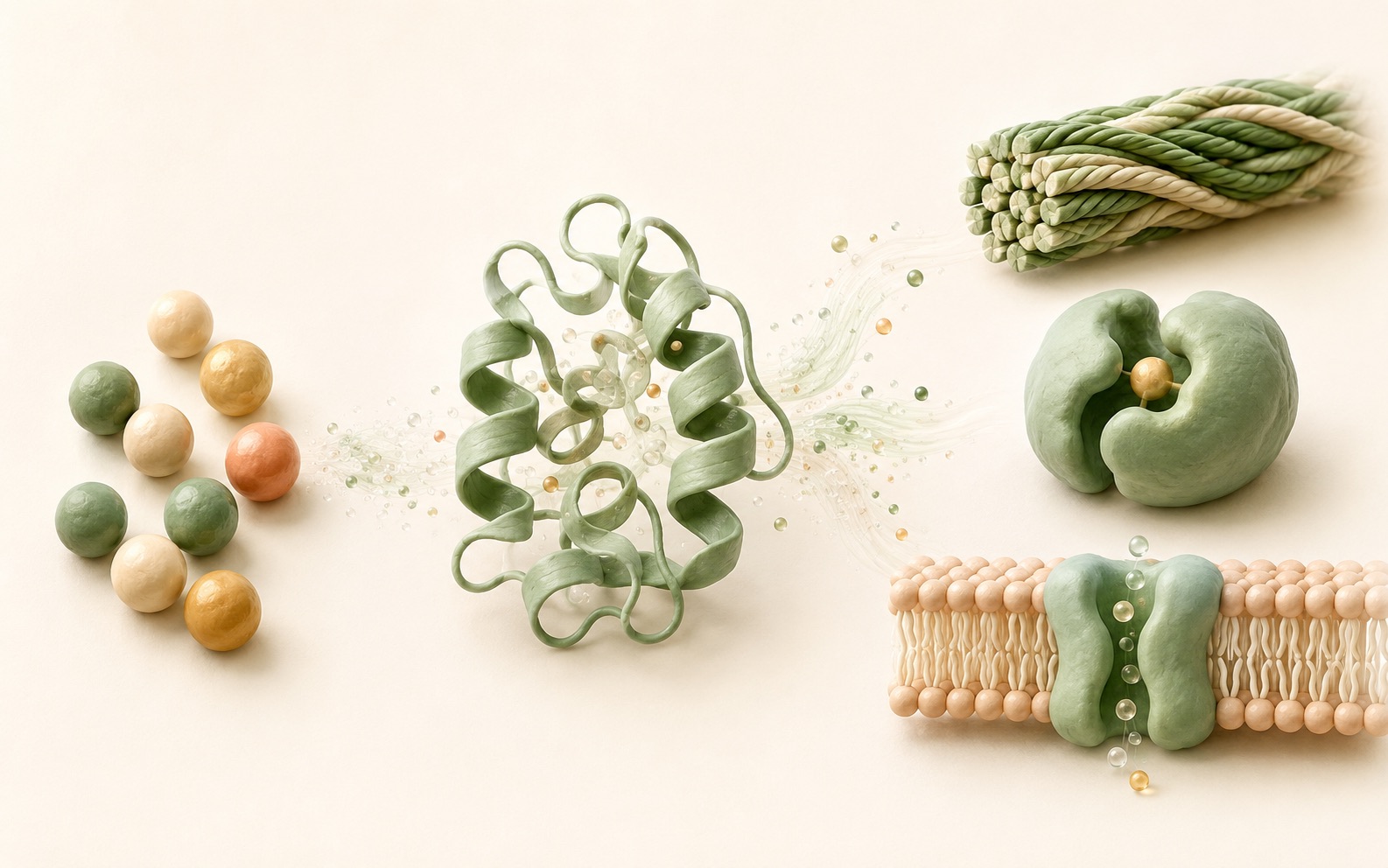
When protein is digested, the body obtains amino acids, small building blocks for building and repairing the body.
- Provide structure for cells and tissues
- Act as enzymes
- Receive signals or help move substances in and out
Fat provides energy and helps bring vitamins into the body.
Fat provides certain essential fatty acids and helps absorb vitamins A, D, E and K, which are fat-soluble.
Fat and protein have different roles.
- Fat provides energy, helps absorb vitamins A, D, E and K, and forms part of cell membranes.
- Hormones send messages that direct different parts of the body
- Protein supplies materials for building and repairing the body.
- Each type has its own role, so eat a variety of foods.
Choose one or pair them easily
Start with one product at a time
Choose a single box of Avocado Plus or Pro Cap
View Avocado Plus · View Pro Cap
Choose both products
Mix Avocado Plus + Pro Cap in one pack, choosing the quantity of each product you want.
Put simply Fat provides energy and helps absorb vitamins, while protein helps build and repair the body.
Explore each product first, or choose a mixed Avocado Plus + Pro Cap pack when ordering · Choose a mixed pack of both products