Health stories / Protein
Getting enough protein? Start by looking at your meals
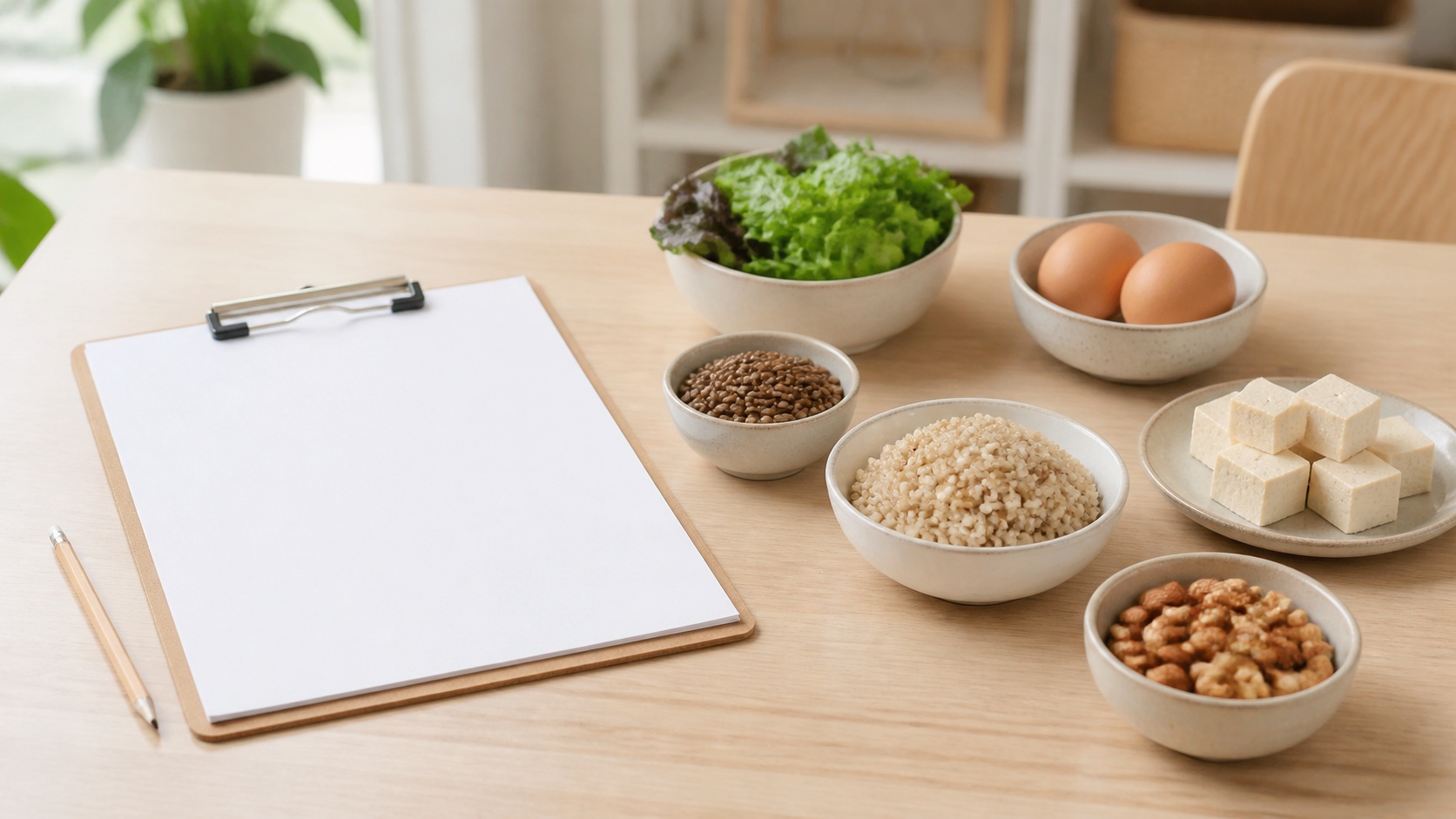
Start with meals, weight and appetite
If you have been eating less and feeling weaker, review your meals, body weight and appetite together. This helps you plan more effectively than guessing from symptoms alone.
Protein supplies materials to build and repair cells, but fatigue has many possible causes. How you feel alone cannot establish inadequate protein intake.
References: MedlinePlus: malnutrition · MedlinePlus: dietary protein
How is your body changing? Observe without jumping to conclusions
- Hair and nails — hair loss or brittle nails may accompany nutritional problems. Record when they began and whether food intake fell at the same time. These symptoms do not specifically indicate protein deficiency.
- Strength and weight — Fatigue, weakness or unintentional weight loss are reasons to review both food intake and overall health.
- Hungry again quickly or not full for long? Check whether each meal has enough protein and other food groups. Hunger or sweet cravings alone do not diagnose protein deficiency.
Record meals where you eat little, your weight, appetite and accompanying symptoms. If symptoms persist or you lose weight unintentionally, take this information to a doctor or dietitian.
References: MedlinePlus: malnutrition · MedlinePlus: malnutrition symptoms · Protein and fullness research
Plan meals for regular fullness and enough food.
A review in the European Journal of Nutrition found that higher-protein diets increased fullness in some studies of people with overweight or obesity. This can inform meal planning while you observe what suits you.
- Start with the meal you often skip — Prepare an easy protein source such as eggs, tofu, fish or beans as part of the meal.
- Consider the whole plate — Eat protein alongside rice or other grains, vegetables and a variety of foods to obtain both energy and nutrients.
- Observe after adjusting — Record mealtimes and hunger before the next meal, then choose an approach you can maintain.
If you already eat little or have a poor appetite, the goal is enough energy and nutrients, not trying to feel so full that you eat less.
Read more about What does protein do? and Daily protein intake to plan around the foods you actually eat
References: Protein and fullness research · MedlinePlus: dietary protein · MedlinePlus: malnutrition
Pro Cap: convenience for after meals
On busy days, Pro Cap from GENISÉ offers rice and grain ingredients in convenient capsules. No mixing needed, whether you are at home, at work or travelling.
- Know the ingredients — Brown rice, jasmine rice and glutinous rice combined with corn and soybeans in one formula.
- ALS protein analysis — the submitted Pro Cap sample contained 56.6 grams of protein per 100 grams. Read the report using the link below.
- No extra mixing step — Capsules let you prepare the amount on the label without carrying a mixing cup or measuring spoon.
View Pro Cap’s grain and soybean formula and ALS protein analysis
Use as a supplement according to the label while prioritising protein and energy from main meals. The formula contains soybeans and a gelatin shell. If digestive problems or low food intake persist, assess the cause to plan nutrition that suits you.
References: Siam Bio Best — Pro Cap formula · ALS — Pro Cap analysis · MedlinePlus: dietary protein · MedlinePlus: malnutrition
Plan meals that suit you and make convenience part of the preparation
Start with manageable meals, vary your protein sources and monitor your overall diet and weight. Consistent self-care can begin with simple steps.
Pro Cap directions are 2 capsules after meals, 3 times daily. Follow the label on the product received. Read Pro Cap details before choosing the right pack for you
Reference: Siam Bio Best — Pro Cap formula · MedlinePlus: dietary protein · MedlinePlus: malnutrition
Frequently asked questions
- Do fatigue or hair loss mean protein deficiency?
- These symptoms have many possible causes. Consider meals, weight, appetite and other symptoms together. If they persist or you lose weight unintentionally, consult a doctor or dietitian.
- How do I start checking whether I eat enough protein?
- Record what you actually eat and how much at each meal, including skipped meals, and compare it with your protein requirements. Assess adequacy across the whole day.
- How is Pro Cap convenient on busy days?
- Capsules made from three types of rice, combined with corn and soybeans. No measuring or mixing. Follow the label alongside adequate, varied main meals.
References
- MedlinePlus — Malnutrition
- MedlinePlus — Dietary protein and amino acids
- MedlinePlus Medical Encyclopedia — Symptoms and assessment of malnutrition
- European Journal of Nutrition — Protein and fullness
- Siam Bio Best — Pro Cap formula
- ALS — Pro Cap analysis